 MoonEase
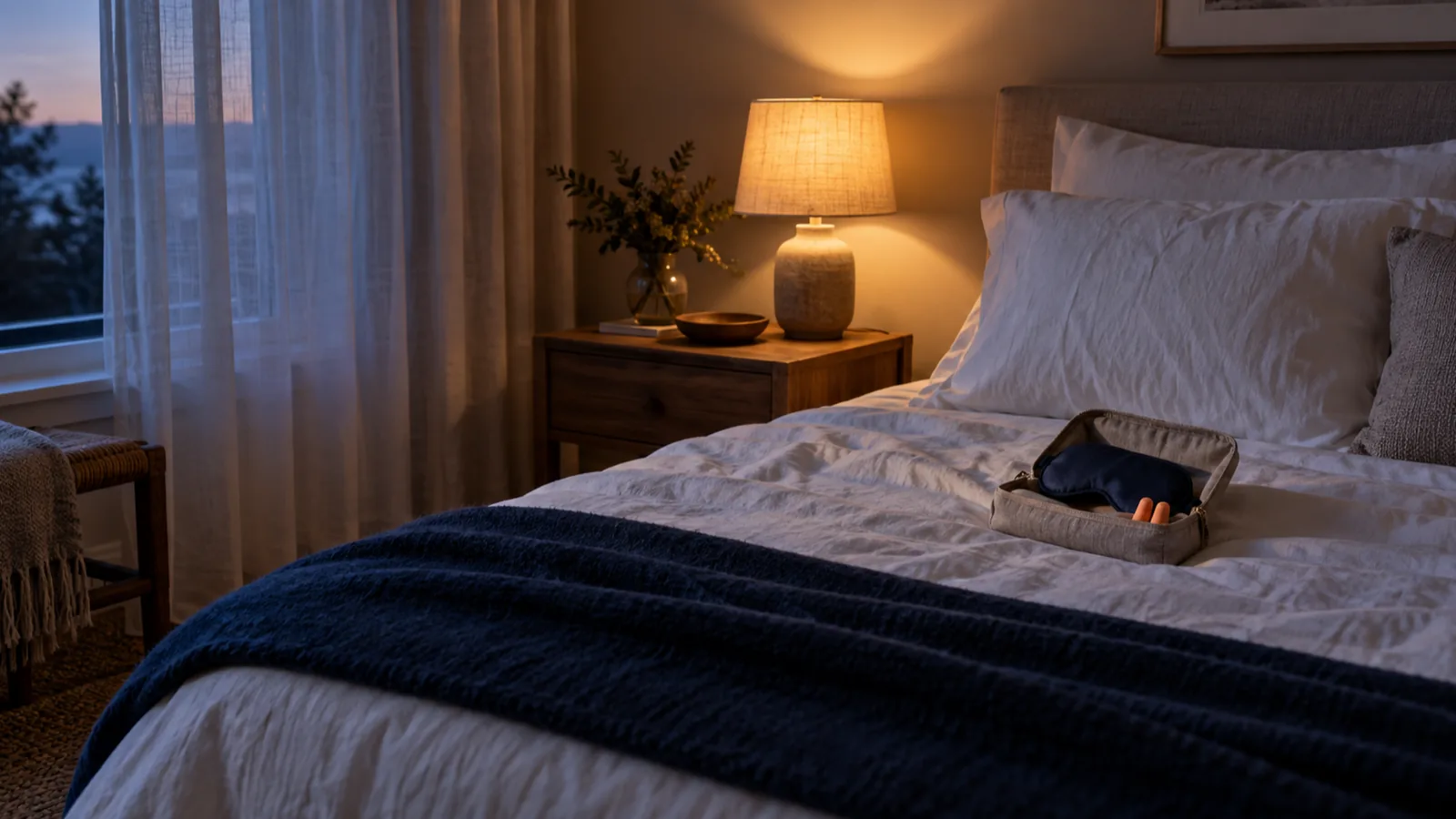
To sleep well when traveling for Thanksgiving, bring the familiar with you and set the room up before you're tired: your own pillowcase, the sound you usually fall asleep to, and the same short wind-down you do at home. Then keep your wake-up time close to normal all week, even after the late nights.
If you always sleep badly the first night somewhere new, you're not imagining it. Below is why that happens, a checklist of what to pack, and what to do when the house is full, the bed is a sofa and the clocks don't match.
Why is the first night in a strange bed so hard?
Sleep researchers have a name for it: the first night effect. It's so common that sleep studies often leave out the first night's results, because people sleep more lightly in a new room than they do once they're used to it.
A 2016 study from Brown University, published in Current Biology, found a likely reason. On the first night in a new place, one side of the brain stayed more alert than the other during deep sleep, and it responded more to unusual sounds. It looks a lot like a night watch, a leftover from a time when a new place might not have been safe.
That's useful to know, for two reasons. First, a light first night is normal, and it usually settles by the second. Second, anything that makes the room feel less new, and quieter in a steady way, gives that night watch less to do.
Your Thanksgiving sleep kit: a checklist to pack
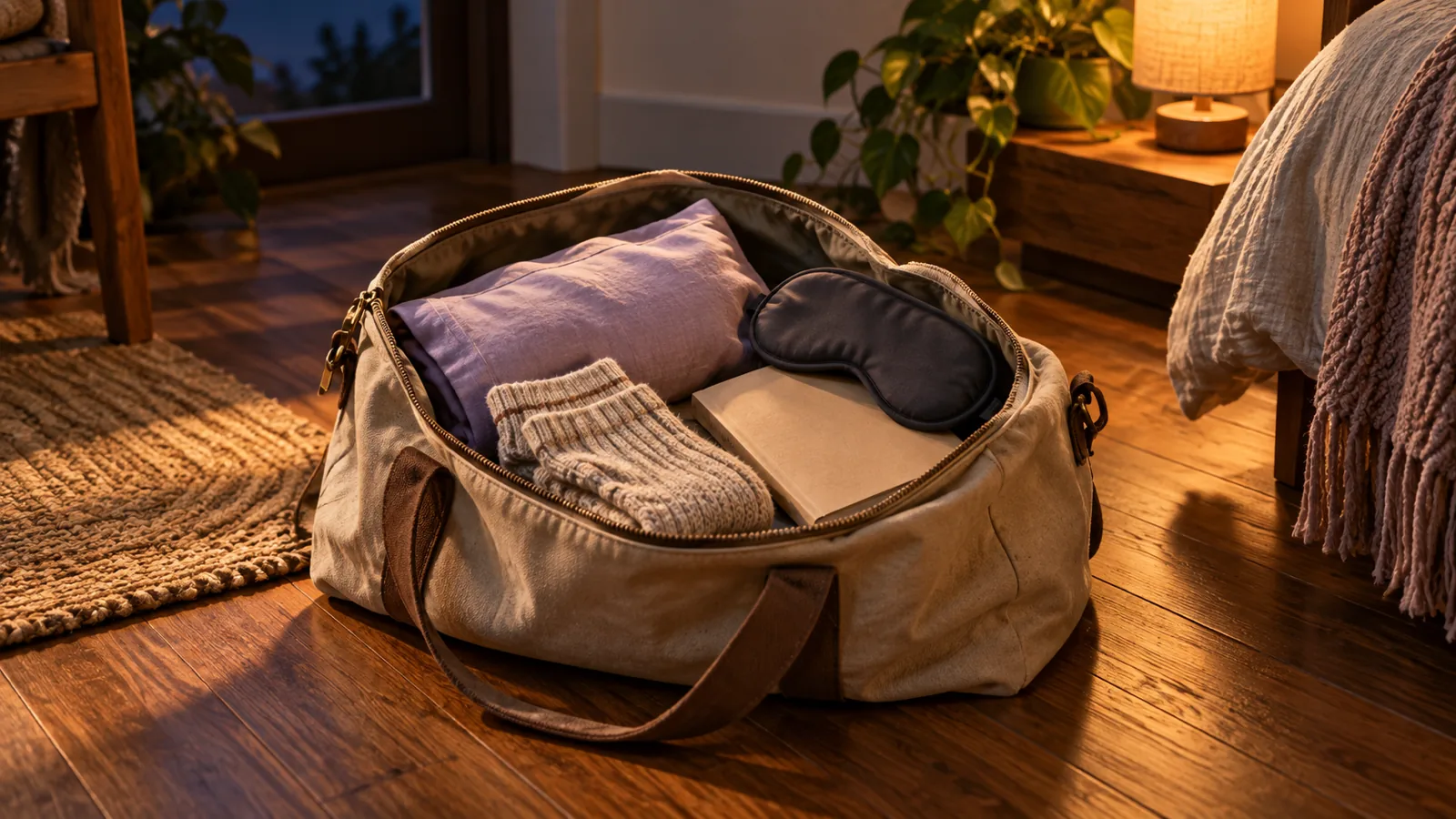
This fits in a wash bag or a small pouch. Pack it first, before the clothes, so it doesn't get left on the bed at 6am on the busiest travel day of the year.
The sleep kit
Tick them off as you pack. The first three matter most.
- Your own pillowcase, for a familiar feel and smell
- The sound you fall asleep to, ready to play without a signal
- An eye mask for curtains that let the streetlight in
- Foam earplugs, a spare pair too
- Warm socks and a light layer, for rooms that run cold or hot
- A long charging cable, because the socket is never by the bed
- A small torch or night light for a strange hallway at 3am
- The book you're reading, or whatever usually ends your day
- Any medicines you take at night, in your hand luggage
The sound matters more than it seems. If you fall asleep to rain, a fan or a crackling fire at home, that sound is part of how your body knows it's bedtime. Playing the same one in a new room makes the room a little less new. Check before you leave that it will play offline, since spare rooms and in-laws' basements aren't famous for their signal.
The first ten minutes in the room
Do this when you arrive, not at bedtime. Once you're tired and the house has gone quiet, it's much harder to rearrange a stranger's room without waking anyone.
Set up the room
Ten minutes, before anyone mentions dinner.
- Put your pillowcase on and your book by the bed
- Find the light switch, then walk the route to the bathroom once
- Check the curtains, and tuck the gap with a towel if it glows
- Turn any bright clock to face the wall
- Try the heating or a window, and ask for a spare blanket now
- Pick the spot for your sound, low and near your head
That walk to the bathroom is worth doing. Waking up in the dark somewhere unfamiliar can be disorientating, and knowing the way means you can keep the lights low and get back to sleep more easily.
What about the travel day itself?
For many people, Tuesday 24 or Wednesday 25 November is the travel day, with Thanksgiving on Thursday 26 November 2026. A long drive or an early flight can leave you tired and wired at the same time. A few things help.
- Don't stay up late the night before, finishing the packing. Pack the sleep kit first, and let the rest be good enough.
- Drink water through the day, and go easy on coffee after lunch, even if the queue is long.
- If you need a nap, keep it short, around 20 to 30 minutes, and early in the afternoon.
- If you're driving and your eyes feel heavy, pull over somewhere safe and rest. Drowsy driving is never worth it.
When you arrive, try to stay up until something close to your usual bedtime, even if you're shattered. Going to bed at eight usually means waking at three.
How do you sleep in a full, noisy house?
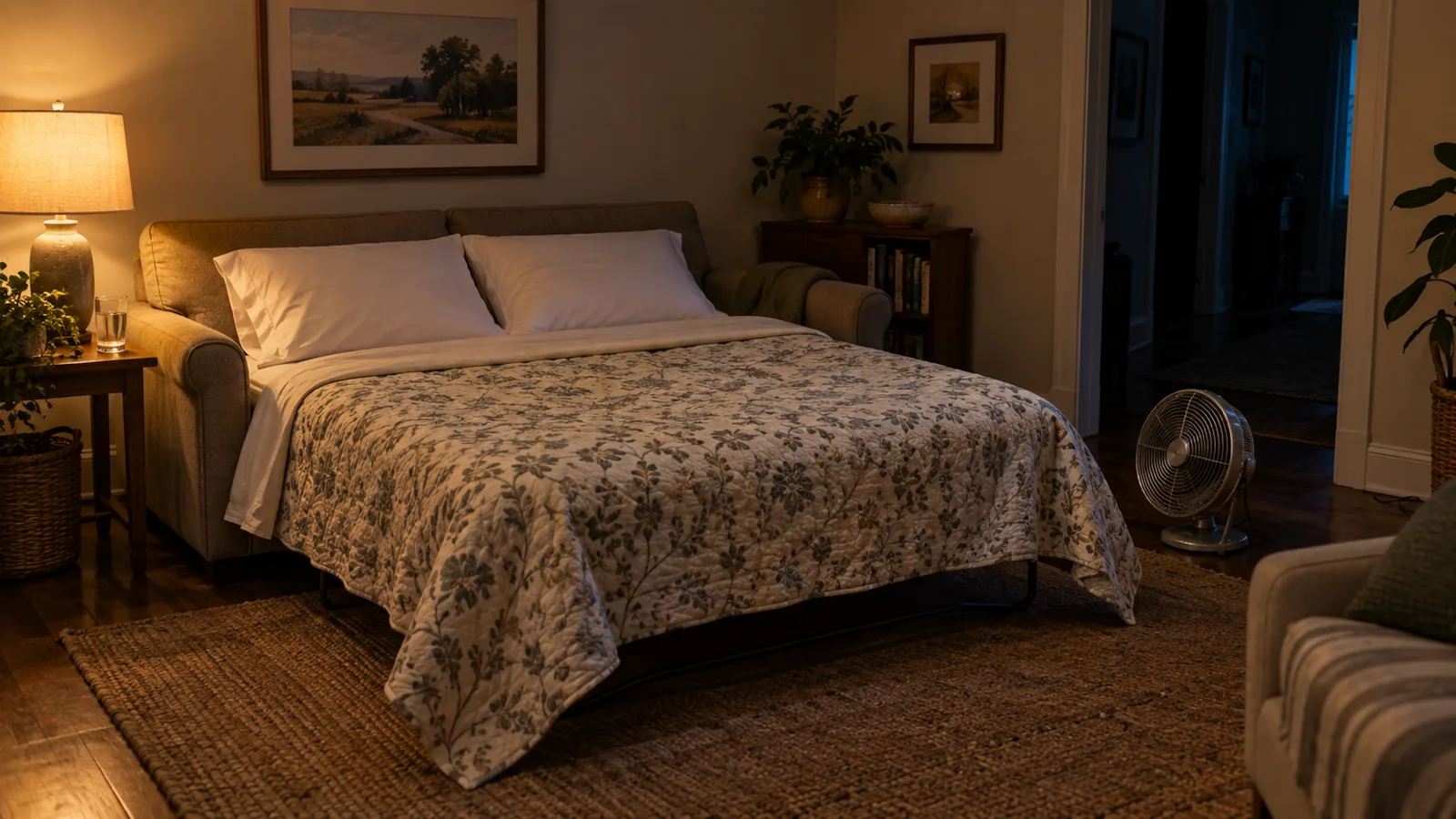
Holiday houses are busy. There's the cousin on the sofa bed, the aunt who's up at five, the children who find the stairs thrilling, and the washing up that goes on until midnight. The first night effect makes you more likely to notice all of it.
A steady sound is your best friend here. Low rain, a stream or a fan near your pillow smooths over the sudden noises, like a door or a laugh, that would otherwise pull you out of light sleep. Our guide to rain sounds for sleep explains why that works and how loud to play it. Earplugs do the rest.
A few other kind habits:
- Keep your own wind-down, even a short one. Brush your teeth, dim the lamp, read a few pages. Our bedtime routine for adults has a version that fits in ten minutes.
- Go easy on the late drinks. Alcohol can help you drop off but often makes sleep lighter and more broken later in the night.
- It's fine to say goodnight before the house does. You're allowed to leave the table.
From JPott Studios
One calm email a month
One useful tip, one free printable or tool, and a short note from our apps. Join and get the free welcome pack: printable trackers, a packing list maker and more.
What if you're travelling across a time zone?
Within the US, a Thanksgiving trip can mean up to three hours' difference between the east and west coasts. For a four or five day visit, it's usually easier to stay roughly on your home time than to fully adjust and then adjust back.
From Jamaica, the maths is kinder than it was a month ago. Jamaica doesn't change its clocks, and most of the US moved its clocks back on Sunday 1 November 2026. So for the rest of the winter:
- New York, Miami, Atlanta and the east coast: the same time as Jamaica. No adjusting at all.
- Chicago, Houston and Dallas: one hour behind Jamaica.
- Los Angeles and the west coast: three hours behind Jamaica.
Going west means the evenings feel long and you may be sleepy early. Get outside in the late afternoon light if you can, and try to hold out until a reasonable local bedtime. Coming home, you'll probably wake early for a few days, which is easier to live with.
What about sleep when you get home?
Sunday night back in your own bed often feels wonderful, and then Monday arrives. After a week of late nights, rich food and someone else's schedule, your sleep may take a few days to settle.
The kindest thing you can do is keep Monday's alarm at your usual time, get some daylight in the morning, and go to bed when you're sleepy rather than very early to "catch up". If you do wake in the small hours that first week, our guide on how to fall back asleep at 3am walks you through what to do.
We made MoonEase for nights like these. Its sleep sounds are built into the app and keep playing with the screen locked, with no signal needed, and a timer fades them out gently once you've drifted off.
This guide is general information, not medical advice. If you have a sleep condition, take medicine at night or use a breathing machine, plan your trip with your doctor. If poor sleep goes on for weeks after you're home, please talk to a doctor.
Questions people ask
Why can I never sleep the first night somewhere new?
Sleep researchers call it the first night effect. In a 2016 study, part of the brain stayed more alert during deep sleep on the first night in a new place, as if keeping watch. It usually eases after a night or two.
How do I sleep in a strange bed?
Bring a few familiar things, like your own pillowcase and the sound you usually fall asleep to. Set the room up before you are tired, keep your usual wind-down, and try not to watch the clock if the first night is light.
Should I bring my own pillow when I travel?
If you have room, it can help, especially if your neck is fussy. If not, your own pillowcase is a lighter way to bring a familiar feel and smell to a borrowed bed.
How do I sleep in a noisy house full of family?
A steady sound such as rain or a fan, played low near your bed, can soften doors, voices and footsteps. Earplugs help too. It is also fine to ask for a quiet hour, or to head to bed before the house does.
Is it OK to nap on a Thanksgiving travel day?
A short nap early in the afternoon is usually fine if you are flagging. Keep it to around 20 to 30 minutes, and avoid napping late in the day so bedtime still comes easily.
Bring your quiet with you
MoonEase keeps sleep sounds like steady rain and a crackling fire, slow bedtime stories and gentle breathing on your phone, ready to play in any room with no signal. Set a timer and the sound fades out on its own once you're asleep. No ads.
Get MoonEase

More sleep guides

Rain sounds for sleep
Why rain helps so many people settle, which kind suits your bedroom, and how loud to play it.
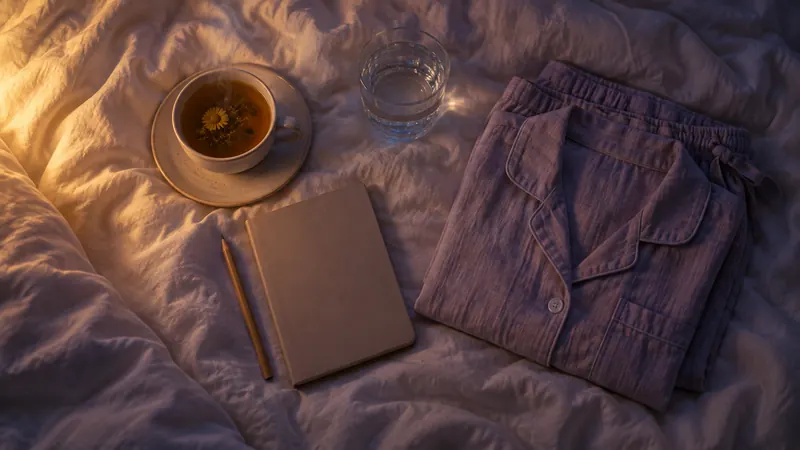
A bedtime routine for adults
A short evening plan you can keep: what to do in the hours before bed, and how to make it stick.
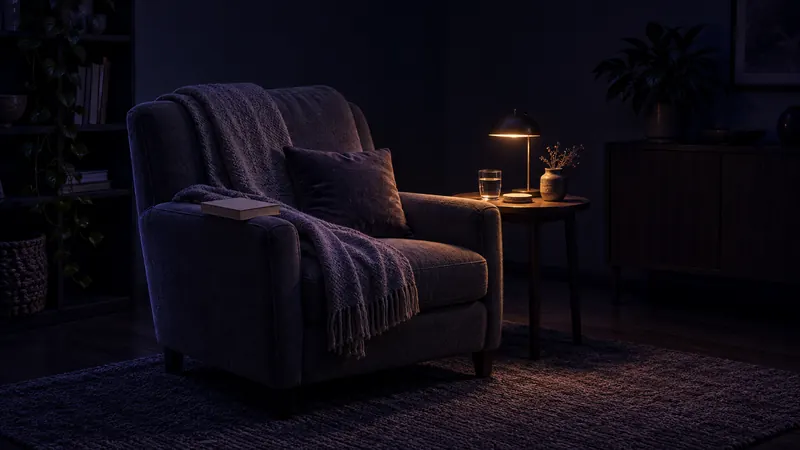
How to fall back asleep at 3am
What to do in the first few minutes after you wake, what to skip, and when it's worth seeing a doctor.
From JPott Studios
One calm email a month
One useful tip, one free printable or tool, and a short note from our apps. Join and get the free welcome pack: printable trackers, a packing list maker and more.